
Showcasing Weaves in Museums & Conferences: Hibla PH (Canada) debuts Philippine Indigenous Handwoven Textiles to the Textile Museum of Canada in “Body & Head” Exhibit
Textiles. We can think of Filipiniana for a bit. Or maybe not? How about Patadyong and Malong? How about other traditional attire with indigenous roots coming from various regions of the Philippines?
Let’s enter the space to appreciate the cloth, fabric or textile. Because these carry significance to our material culture today. Recently, we showcased Philippine Indigenous Handwoven Textiles in Toronto, Ontario, Canada!
I am happy to share that we contributed to the Textile Museum of Canada’s growing Philippine Handwoven Textile knowledge and understanding.
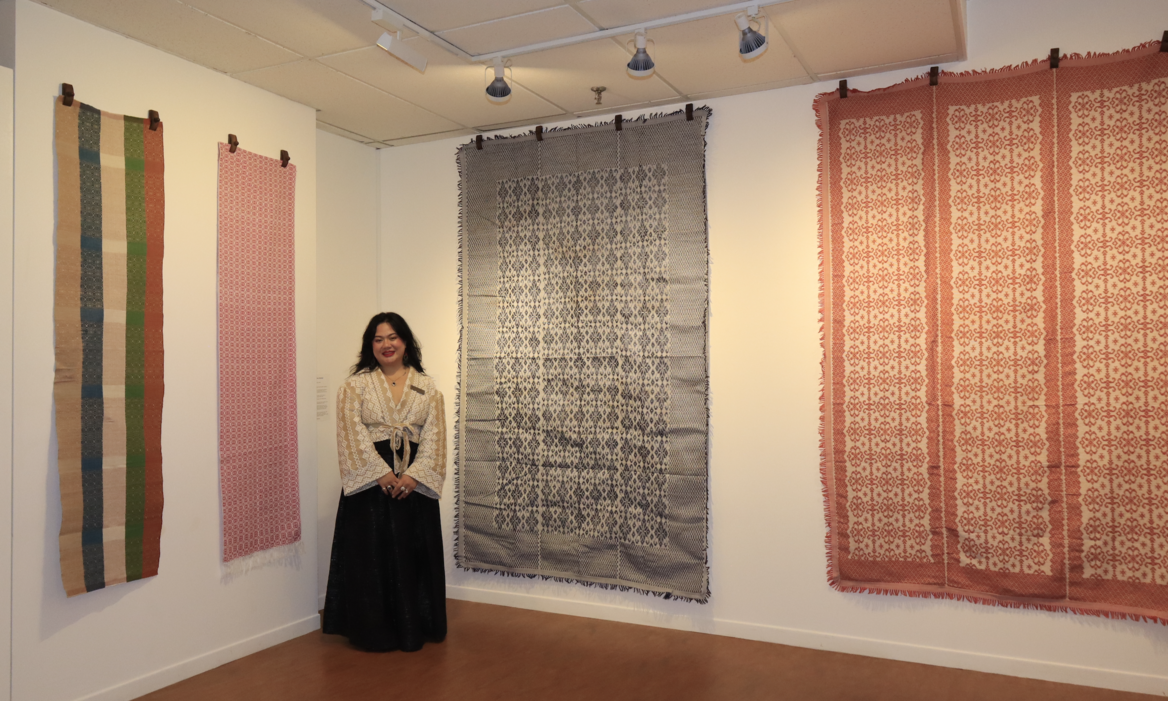
What We Exhibit in Textile Museum of Canada
We have decades old handwoven textiles curated by our textile researcher based in the Philippines. Our “Body & Head: Philippine Indigenous Blankets & Headscarves from the 20th Century and Beyond” Exhibit features ten (10) specific pieces of textiles. This exhibit was launched on October 28, 2026 until November 11, 2026 in the Textile Museum of Canada, Toronto, Ontario, Canada.
You might find yourself disconnected, foreign or hesitant to reflect representation with these weaves. That is okay. The gaps you felt or thought are a mix of various things. Big part of our mission is to carry these textile ethnolinguistic stories with care, sensitivity and honor closer to communities here in Canada. Personally, as a Filipino-Canadian, it is both a privilege and pride to bring these voices through cloth. This year, 2026, we responded to this partnership call to bring these textiles available to the public in the Textile Museum of Canada in Toronto, Ontario, Canada!
Good news, the museum already has a collection of Philippine Handwoven Textiles. This particular exhibit adds to that growing collective understanding on how our Philippine cloth woven by hand holds memory, originates from a community, worn for various purposes, practical use of materials, and cultural representation of identity and land.
In this article, you may take some moments to pause and reflect on certain questions to mimic on how I facilitate our cultural activities through weaving workshops. That’s how these textiles are to me, too. These textiles make me pause, wonder and make space. I extend that invitation to you here as you enjoy reading this blog.
Here are 3 major things to know about this exhibit live in Toronto, Ontario, Canada:
1. Handwoven. Each Cloth is Traditionally Handwoven or Hand-embroidered in the Philippines
In this exhibit, every cloth provenance is established and most weavers are well documented. Every piece has different materials from a variety of cotton, “pinya”, polyester, and “Abaca” or Manila Hemp. Different weaving techniques are observable, too, such as “ikat”, “sinukitan”, plain, tapestry, “plangi” (or tie-dye) and various embroidery methods.
Pause to Reflect: What did you hear about these weaving techniques regarding our Philippine fabrics?
2. Two (2) Important Celebrations That Filipinos Need To Start Celebrating in Canada
“Body and Head” may resonate with how much you love headscarves and blankets as a relevant material culture in Canada. With varied temperatures across Canadian provinces, us Filipino-Canadians can probably resonate with how we interact with the contemporary non-ceremonial materials in today’s modern world. Celebrating these pre-colonial traditions are best observed in the Month of October annually. We brought two Philippine-specific institutional celebrations namely National Philippine Indigenous People’s Month pursuant to Presidential Proclamation No. 1906, and Museum & Galleries Month. This “Body and Head” exhibit is a multi-celebration site with Hibla PH Canada’s second (2nd) time to celebrate National Philippines Indigenous Peoples’ ‘Month In Partnership with Philippine Consulate General Toronto. It’s like our 2nd birthday on the other coast of Canada!
There are two more things that highlight when we launch this exhibit on October 28, 2026.
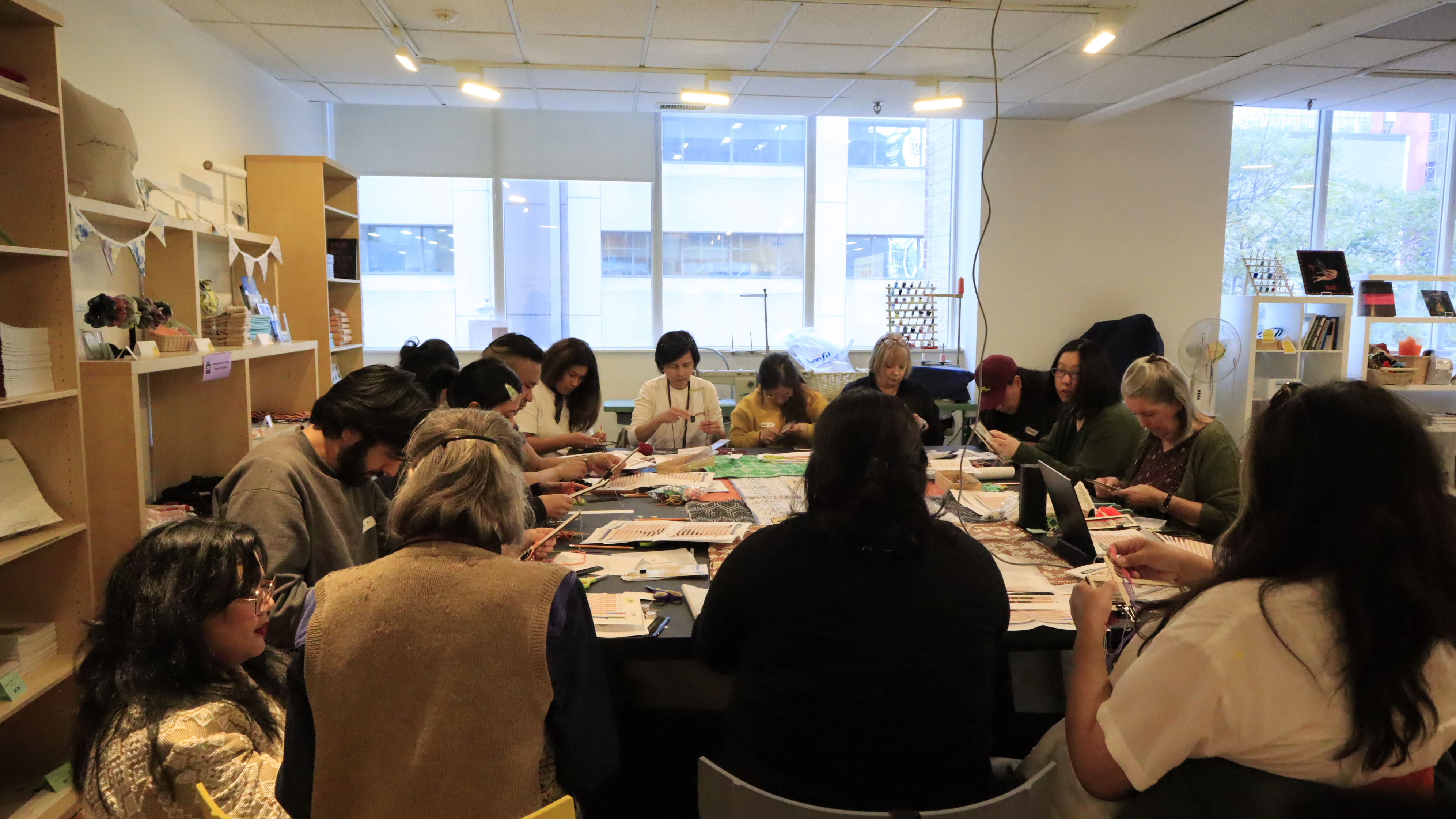
First, we conducted a sold out workshop of Introduction to Inabel PInilian Weaving Workshop the afternoon of October 28, 2026. I co-developed this workshop with our Hibla Philippines’ founder, Nice Marquez, at Angelika HabiPelago Studio. During the workshop facilitation, I personally love hearing the anecdotes on appreciation, understanding why our handwoven “telas” come with a price tag, immersing in the physically laborious process of creating a 3-5inch cloth comparing it to the thousands of yards our weavers have woven. It humbles me every time. Everyone else? They are humbled and amazed at the same time. “This is not worth hundreds of pesos only,” is one of my favorite comments I’d like to highlight. Because these fabrics? These are worth so much more! It is truly a serious creative undertaking when it comes to weaving as a form of art or craft. It is a process of labor, care and preservation.
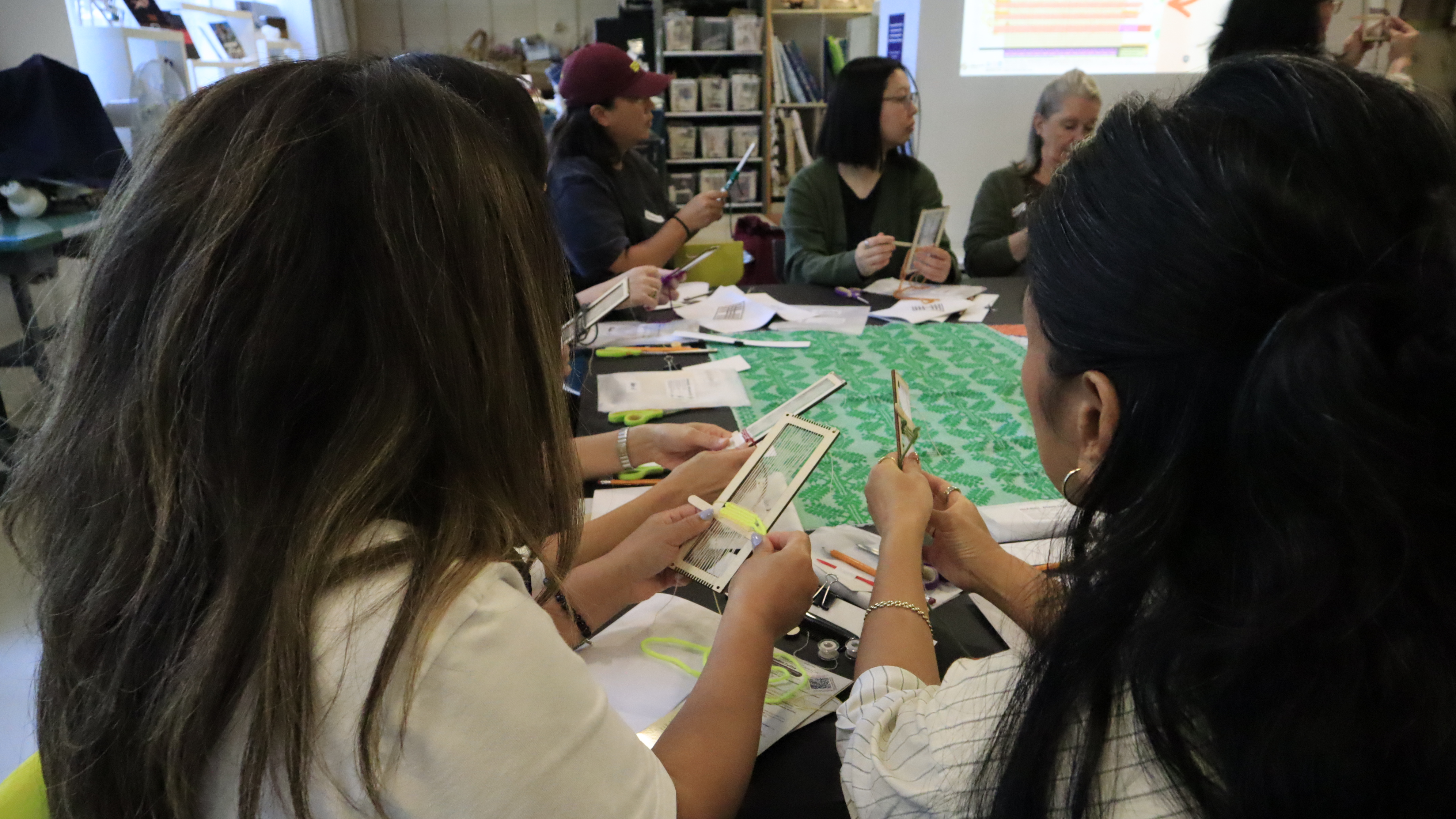
Trivia: Did you know that we sold out Inabel Pinilian 101 Weaving Workshop twice? (Once in Edmonton in August 2026 and second in Toronto October 2026)
This is something I appreciate the most, highlighting that our Indigenous practices of passing down knowledge, customs and culture is overlapping with other indigenous cultures like the ones I learned here in Canada. I learned it best from the seminars I attended during my undergraduate post-secondary education and formally in an elective course of Indigenous Perspectives in Business regarding the world views of Indigenous and western views, both educational attainments I have done at NAIT.
Pause to Reflect: What active efforts have you taken to learn about our Indigenous Peoples in the Philippines or Canada?
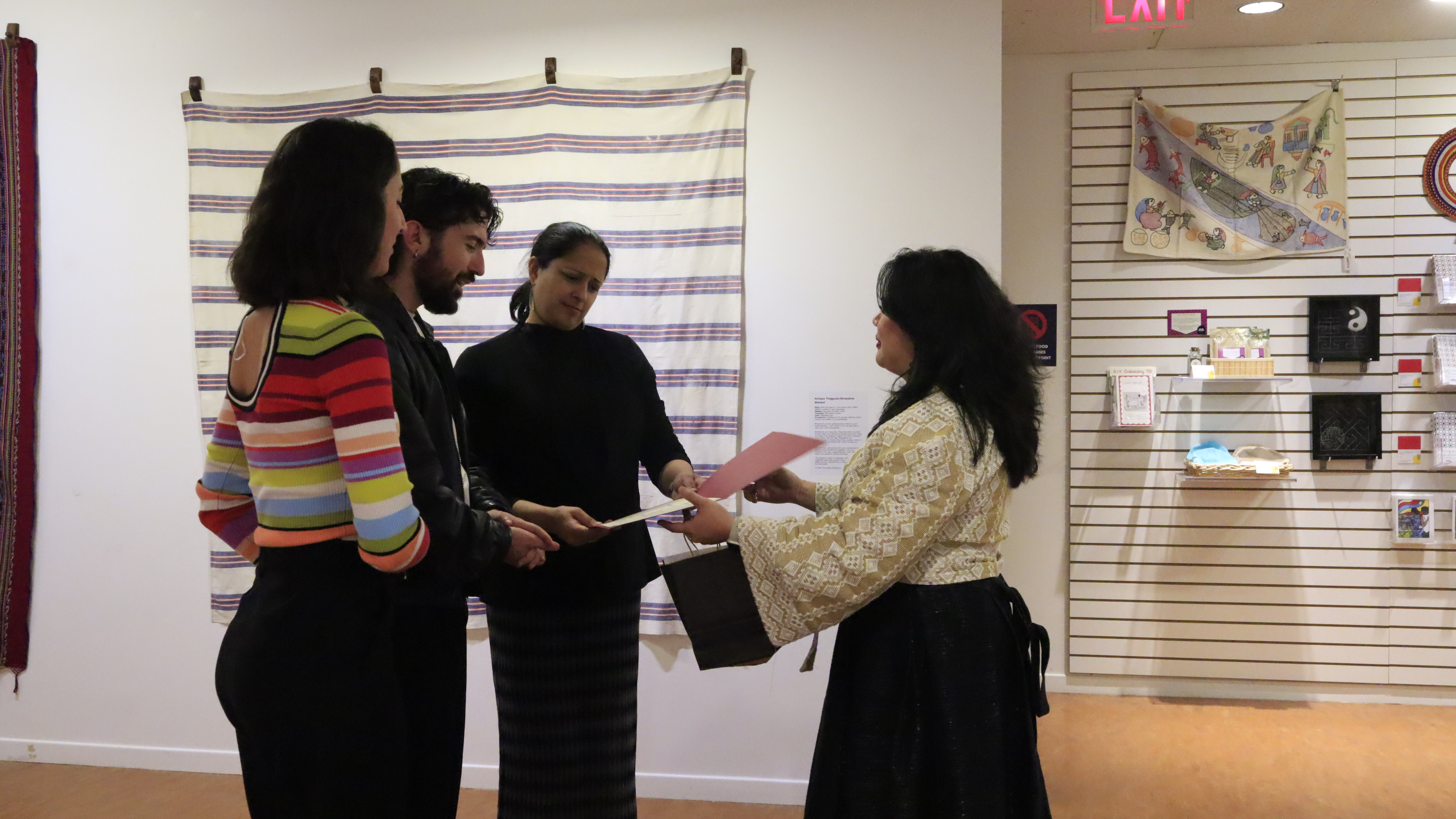
Second, we filled the auditorium of Toronto-guests on the opening night! Filipino community leaders, political leaders, consulate staff and officers, and various guests filled that opening night in the Museum. We presented a “Textile as Political and Social Language” presentation 10 minute video to the guests during the reception ceremony. I noticed that this helped our guests interact with our weaves better. Context matters the most when it comes to knowing the material. You may see scarves, quilts, tapestries and many more textile materials from various parts of the world when you enter the Textile Museum in Toronto.That might be just a quick visit for you. What we suggest to make the most out of the experience is to pace yourself slowly and enjoy the beautiful space, read the labels of each piece or ask questions to the Museum staff! Learning the context and the background for a few minutes will possibly make your perspective wider, deeper, and holistically which shapes your entire experience meaningfully. That’s the magic of educational touch points. Even more immersive when you attend a workshop facilitation. These are tools to help you reconnect what our communities have preserved for centuries. For our Philippine Handwoven Textiles, these tell stories about history, lifeways, practices and collective experiences that we may never have known before. Lean in. Learn more.
Pause to Reflect: What’s your personal goal when it comes to learning about handwoven textiles from the Philippines?
3. Three (3) Major Regions of Luzon, Visayas and Mindanao are Represented Through These Weaves
Luzon weaves like our two Ilocano Sinukitan Blankets with the dimensions of 57 by 89 inches each were our two biggest pieces in this exhibit. They are noticeably the heaviest most especially they are woven intentionally serving as blankets in Ilocos. I would personally love to have blankets like this thick in Edmonton, Alberta, Canada now that we are getting frosty and freezing. Additionally, we have an Antique Tingguian Binandera Blanket of the 1940s-1950s recorded to be used as flags of galleons. This is why it might be familiar to you about “bandera” as part of this blanket’s labelled name. Edges are hand stitched with dimensions similar to the 2 blankets mentioned above.
Pause to Reflect: Do we have this level of patience to handstitch a big woven piece in this age of AI?
Visayas weaves are woven by a new weaving community from the key cotton-producing area for Negros Island’s emerging raw material source of Bayawan, Negros Oriental. This is Nice Marquez’s hometown (basically, our Hibla Founder initiated to develop a community to start weaving their own cotton produced in the agricultural lands of Bayawan). Negros Oriental is also my home province. This is where I was born and raised in the Philippines. This is why this exhibit is so special. We brought handwoven textiles from Negros!
Travel Idea: Have you ever tried Sans Rival’s Silvanas in Dumaguete City, Negros Oriental?
We showcased two pieces from the land where Nice and I are known best since birth. An Abaca-cotton woven piece of 78 by 17 inches and a 100% Pure Bayawan Cotton (slightly longer than the previous piece mentioned dimensions) curated to represent the future of textiles: empowering communities like our own, closer to home in the Philippines. I’m overjoyed because this is part of our #TeachAThousand initiative where every weaving workshop we conducted in Edmonton, priority proceeds of workshop ticket price funds this initiative. In essence, every Edmonton weaving workshop participant has contributed meaningfully to this initiative. Thank you Edmonton for being part of this meaningful ongoing project!
Mindanao pieces included are Manobo Suyam, T’boli Ulew, Tagabawa-Bagobo Tangkulo, and Tausug Pis Yabit are the first pieces you’ll see when you enter the exhibit space. Right beside the Body and Head exhibit poster, these are worn as headscarves. One of these pieces was only worn by the community of chiefs. This is where I tie back on why we referred to our presentation “Textile as Political and Social Language” because our textile communicates power, class and authority in certain ethnolinguistic communities in the past and till today in the Mindanao region. It is important to observe, respect and honor the regulations of these textiles.
An additional piece to the Mindanao collection is the Vintage Meranaw Lalansay with the technique of Balud from Lanao Provinces. This is one of the most rare pieces in this exhibit. Other surviving examples must have been woven within the 1970s. If you recall the siege in Marawi 2017, this is one of the few surviving pieces where most artworks were lost. I remember this significant event being all over the news. This is why this piece may have a healing property to me seeing this in Canada because I was in the Philippines during the siege in 2017. Today, 2026 (more than a decade later) this surviving piece being part of the collection is now exhibited in Toronto, Ontario, Canada.
Where This Traveling Exhibit Goes Next
Right after the exhibit, we’ll be in Waterloo, Ontario, Canada, on November 13-15th, 2026 to be part of Build Peace 2026, a worldwide conference co-organized with the Kindred Centre for Peace Advancement. This is an Annual conference that explores emergent challenges to peace in a digital era, and peacebuilding innovations to address these challenges. “Enabling Encounters” is this year’s theme.
Body & Head brings together textile traditions from eight Indigenous and ethnolinguistic communities in the Philippines, looking at how blankets, headscarves, and other forms of cloth have carried ideas of identity, status, memory, protection, and belonging across generations.
This traveling exhibit is boundless, full of depth and will be closer to where the diaspora is in any corner of the world. Where material culture is at the core of this endeavour, for us at Hibla, this Body and Head exhibit will be cherished from now and beyond. This is how we empower communities: sharing spaces one place at a time. From weavers to the world, we are interwoven because of these stories of identity, experiences, culture and belonging. It is for everybody and anybody to feel home, represent, heal and inspire.